Sensitype: A Script Amp Design Worth Considering
As an embroidery designer with years of experience working on both personal and commercial projects, I’ve come across countless machine embroidery designs. Some are just okay, a few are great, but occasionally one stands out for its versatility and thoughtful execution. Sensitype is one such design that caught my eye when evaluating it for real-world use. It belongs to the Script Amp category, which typically includes elegant, flowing typefaces ideal for adding names, phrases, or branding to embroidered items. Let’s take a closer look at how this design performs in practical applications and what kind of project it fits best.
First Impressions: What Sensitype Feels Like
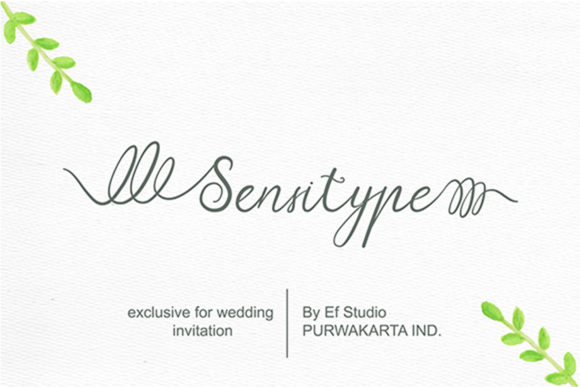
The first thing I noticed about Sensitype is its clean, modern aesthetic. The letters have a soft, script-like flow with subtle serifs at the ends, giving it a touch of sophistication without being overly ornate. This makes it feel approachable yet professional—an important balance for any design used in custom apparel or handmade products. The visual personality of Sensitype leans toward warmth and elegance, making it especially appealing for baby items, holiday gifts, and boutique branding.
Its layout suggests a focus on readability, even with the cursive elements. That’s a big plus when considering designs for sweatshirts, tote bags, or aprons where legibility matters. The level of detail isn’t excessive, so it avoids the risk of looking cluttered on larger pieces or when printed as a digital preview for clients. This is something I always consider before using a design in production—does it carry enough character to stand out while staying easy to read?
Real-World Performance: How It Stands Up to Stitching
I tested Sensitype on a few common embroidery substrates to see how it would perform in different scenarios. On a medium-weight cotton sweatshirt, the satin stitch outlines held up well, creating smooth, even lettering that felt soft to the touch. For a tote bag made from woven fabric, the stitch density was appropriate—dense enough to hold shape but not so tight that it puckled the material. This is key for custom apparel and handmade product lines, where comfort and appearance must align.
When I applied it to a baby item—a onesie with a name tag—I found that the gentle curves and moderate size of the letters worked beautifully. Parents often look for designs that feel personal yet polished, and Sensitype delivered that vibe. The thread colors were clearly defined, allowing for customization without losing clarity. That’s a huge benefit for Etsy sellers and craft fair product creators who want to offer multiple color options.
On textured fabrics like denim or linen, the design still maintained its structure, though I did notice some slight irregularities in the fill areas. These can be mitigated by adjusting the stabilizer and ensuring proper tension during stitching. Overall, Sensitype handles most standard materials well, but there are a few considerations to keep in mind.
Where to Use It Carefully
- Small hoop sizes: While Sensitype is fairly compact, very small lettering might require scaling down beyond its optimal range. Always check if your machine supports the smallest dimensions you plan to use.
- Stretchy or thin fabric: The stitch coverage could cause distortion on stretchy materials unless a stabilizer is used. Thin fabrics may also show through, especially in darker thread colors.
- Dense stitch areas: If you're layering other embroidery elements nearby, ensure adequate spacing to prevent overcrowding. Sensitype benefits from a bit of breathing room to maintain its visual appeal.
- Curved surfaces: When placing Sensitype on a cap or curved surface, test it first on a similar piece. The alignment and curvature of the text can affect how the design reads after stitching.
- Products needing frequent washing: As with all embroidery, repeated laundering can wear down delicate details. Choose durable thread types and consider reinforcing the back with a wash-away stabilizer if necessary.
Visual Appeal and Project Value
What really sets Sensitype apart is how it enhances the visual appeal of a finished product. Whether it's a personalized gift or part of a small shop product line, the design adds a sense of quality and attention to detail. Customers tend to respond positively to typography that feels intentional and refined, which Sensitype definitely achieves.
Stitching clarity is another strength. The running stitch sections are well-placed, and the overall flow of the design ensures that it doesn’t lose definition when scaled up or down. This helps maintain brand consistency, especially for businesses using the same design across various items like pillow covers, tea towels, or embroidered patches.
Design Notes for Embroidery Projects
If you're planning to use Sensitype in your next embroidery project, here are a few tips based on my testing:
- Test on scrap fabric first: Especially if you're planning to use it on a less forgiving material like stretchy jersey or dark-colored fabric. Seeing how it looks and feels post-stitch is essential.
- Check thread color contrast: Ensure the chosen colors pop against the background. A black-and-white mockup can help visualize this before finalizing the design.
- Review stitch density settings: Depending on the fabric and desired outcome, you may need to tweak the stitch count slightly to avoid puckering or loose edges.
- Confirm hoop size compatibility: While the design is adaptable, it’s wise to know the recommended minimum and maximum hoop sizes. This info should be available from the provider.
- Inspect small details: Look closely at corners and transitions between letters. These are where imperfections can become more noticeable.
- Use proper stabilizer: Especially for delicate or stretchy materials. A good stabilizer can make the difference between a clean finish and a distorted mess.
- Check licensing terms: Before selling any finished product or digital embroidery file, confirm whether Sensitype is licensed for commercial use. This step is crucial for craft business owners and digital product sellers.
Practical Applications for Crafters and Business Owners
Sensitype works exceptionally well in several niches:
- Baby clothes and nursery decor: Its warm, readable style fits perfectly into this market. Names and short phrases stitched in pastel or metallic threads add charm without overwhelming the design.
- Holiday gifts and seasonal décor: The design’s adaptability allows for festive variations—think snowflakes incorporated into the letters or seasonal motifs placed beside the text.
- Custom apparel for boutiques: Used on sweatshirts, caps, or tote bags, Sensitype elevates the perceived value of each piece. It’s a great option for store signage or customer monograms too.
- Embroidered patches and logos: The structured yet artistic nature of Sensitype makes it a strong candidate for patch work or brand emblems, particularly for those aiming for a minimalist yet memorable look.
- Digital product previews: If you’re offering printable mockups or design assets for others to use, Sensitype provides a consistent and attractive visual that translates well in both digital and physical formats.
Customer Reaction and Professional Presentation
In my experience, customers appreciate when their names or messages are presented in a font that feels unique but not hard to read. Sensitype strikes that balance well, contributing to higher customer trust and satisfaction. It gives a handmade product a more professional presentation, which is vital for Etsy sellers and small business owners trying to stand out in a competitive market.
Buyer engagement increases when the design feels special. I've seen Sensitype used in personalized gifts like embroidered pillows and kitchen towels, and each time, recipients commented on how “thoughtful” the look was. That’s a win for anyone selling handmade products or offering custom services.
Final Thoughts for Creative Makers
Overall, Sensitype is a solid choice for many embroidery projects, especially those requiring a blend of elegance and simplicity. It’s versatile enough for both personalized gifts and commercial embroidery, and it adapts well to different thread colors and fabric types. However, as with any machine embroidery design, success depends on thoughtful application and preparation.
If you're an embroidery designer or creative entrepreneur looking to expand your offerings, Sensitype could be a valuable addition to your design assets. Just remember to test, adjust, and confirm licensing before committing to large batches or digital sales. With the right care, it can enhance your handmade product line and contribute to a stronger brand identity.