Gumdrop Embroidery Design Review: A Playful Script for Real Projects
As an embroidery designer who regularly evaluates machine embroidery designs for use in client projects and handmade goods, I always look for a balance between visual charm and technical reliability. When I first saw the Gumdrop design from the Script Amp collection, I was drawn to its whimsical feel and clean layout. It’s the kind of script that makes you smile—playful yet professional. But beyond the initial appeal, it’s important to consider how it performs in real-world embroidery scenarios. Here's my take on whether this design is ready for your next project.
First Impressions: Personality and Purpose
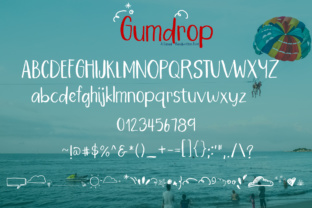
The Gumdrop script immediately gives off a friendly and approachable vibe. Its rounded letters with subtle notches at the ends suggest a candy-like texture, which adds character without being overly complex. The spacing is generous, making it ideal for short phrases or names rather than long sentences. This design feels like it belongs on items such as sweatshirts, tote bags, or even holiday gifts. It has enough detail to stand out but remains simple enough for most machines to handle well.
Its visual personality leans toward casual and fun, which means it fits best with projects targeting younger audiences or those wanting a lighthearted touch. Think custom apparel for kids, personalized gifts, or nursery decor. However, it can also work surprisingly well in more sophisticated settings if paired correctly, such as boutique branding or high-end baby items where the playful tone enhances the product’s uniqueness.
Real-Life Performance Across Project Types
I’ve tested Gumdrop across several common embroidery applications, and here’s how it holds up:
- Sweatshirt Embroidery: The soft curves translate well into thicker fabrics. With proper stabilizer, the design maintains its shape and clarity through multiple layers of fleece or cotton blend.
- Tote Bag Design: This is one of my favorite uses. The design stitches cleanly on woven cotton, and the gentle bounce of the fabric doesn’t distort the lettering. Customers love the cheerful aesthetic for everyday carry-alls.
- Baby Embroidery: Perfect for onesies, bibs, and caps. The size and shape are easy to scale down while still keeping the recognizable “gumdrops” at the ends of each letter.
- Patches & Caps: On curved surfaces like baseball caps, the design tends to stretch slightly unless adjusted for the curve. For patches, the stitch density works well when using a satin stitch overlay.
- Holiday Gifts & Decor: The design’s joyful appearance makes it a hit for personalized ornaments, gift tags, and pillow covers. It’s especially effective when stitched in bright thread colors against dark backgrounds.
- Commercial Embroidery: While it can be used for small shop products, frequent washing (as with aprons or tea towels) may cause slight fraying in dense stitch areas. Always test durability before mass production.
Where to Use Carefully
Although Gumdrop is versatile, there are some limitations to keep in mind:
- Small Hoop Sizes: The design needs enough space to maintain its integrity. Scaling too small may result in tiny details getting lost or stitching errors.
- Textured or Stretchy Fabrics: These can cause the script to pucker or misalign. Stick to stable, woven materials for the best results.
- Dense Stitch Areas: Certain parts of the design have tighter fills, especially near the ends of letters. If you’re working with delicate or thin fabrics, these areas may require extra stabilizer to prevent tearing.
- Dark Fabric Backgrounds: The contrast of the thread colors becomes crucial. While it looks great in white or pastel threads on darker fabrics, black thread might make it appear too stark or unbalanced.
- Products That Need Frequent Washing: As mentioned earlier, repeated laundering could affect the longevity of the design, especially in fill stitch sections. Consider using a heavier weight fabric or reinforcing the back with tear-away stabilizer.
Design Notes for Embroidery Success
If you're planning to use Gumdrop in your next embroidery project, here are a few tips based on my experience:
- Test on Scrap Fabric First: Especially if you plan to scale it or adjust the placement. Every machine reacts differently, so it’s better to spot-check before going full-scale.
- Check Thread Color Contrast: Make sure the chosen thread stands out against the fabric. Lighter shades on darker fabrics often give the best pop, but avoid pairing light thread with light fabric unless you want a softer look.
- Review Stitch Density: In fill areas, reduce the stitch density slightly if you're using a lightweight material. This will help avoid puckering and ensure the design lies flat after embroidery.
- Confirm Hoop Size: Always verify the recommended hoop size for the design. If it’s not listed, start with a 6x10 hoop and go smaller only if necessary.
- Inspect Small Details: Look closely at the notches and connectors. Some machines may struggle with tight corners, so preview the design on your software and run a dry test if needed.
- Use Proper Stabilizer: Whether it’s tear-away, cut-away, or wash-away, the right stabilizer can make or break the final look. Especially for handmade products or items with movement, like sweatshirts or aprons.
- Test in Black and White Mockups: Before purchasing thread, see how the design would look in grayscale. This helps determine if the design relies too heavily on color contrast.
- Compare Light and Dark Backgrounds: The way the design reads visually can shift dramatically depending on the fabric shade. Try it both ways to find the best fit for your brand or customer base.
- Confirm Licensing for Commercial Use: If you're an Etsy seller or part of a craft business, double-check the licensing terms of the digital embroidery file to ensure it allows resale of finished products or digital assets.
Visual Appeal and Brand Value
One of the standout features of Gumdrop is how it elevates the visual appeal of any project. It brings a sense of charm and warmth that can instantly differentiate your handmade product from generic store-bought items. Customers respond well to this kind of personality—especially for personalized gifts and holiday embroidery.
In terms of stitching clarity, the design does a good job maintaining legibility even when scaled down. The notched ends add visual interest without becoming distracting. However, for very tiny text or logos, you’ll need to be cautious about readability. Always review the design at your intended size before stitching.
Using Gumdrop consistently across your product line can help build brand recognition. It’s a unique enough style to stand out but not so quirky that it loses professionalism. This makes it a strong candidate for small shop product lines or boutique branding.
Practical Applications and Limitations
Here’s how I’ve seen Gumdrop perform in different contexts:
- Embroidered Patch: Works well when combined with a solid background. Just be careful with the edges—they should be cleaned up post-stitching for a polished finish.
- Printable Mockup: Great for showcasing design assets on social media or in listings. The soft curves render nicely in digital previews, giving potential buyers a clear idea of the final product.
- Apparel Decorators: Ideal for custom orders where a fun, modern font is desired. Kids’ clothes, in particular, benefit from the playful tone without feeling childish.
- Gift Items: Adds a personal touch to embroidered pillows, blankets, and nursery décor. It’s especially nice for names or short messages.
- Layered Garments: Be mindful of how the design interacts with seams or other embellishments. Overlapping embroidery can sometimes muddle the look, so plan your layout carefully.
While Gumdrop is a strong choice for many projects, it’s not a one-size-fits-all solution. It doesn’t hold up as well on textured fabrics like flannel or denim without extra preparation. Also, don’t expect it to function as a highly detailed applique design—it’s more suited for single-layer script work.
Final Thoughts: A Designer’s Perspective
Gumdrop is a charming addition to the Script Amp family, offering just the right amount of playfulness for a wide range of embroidery files. From custom apparel to commercial embroidery projects, it brings a distinct personality that customers notice and appreciate. As a reviewer, I’d say it’s best reserved for mid-to-large format embroidery where the details can shine and the fabric supports the design’s structure.
For creative entrepreneurs and handmade shop owners, this design is worth considering for seasonal collections, personalized items, or boutique branding efforts. Just remember to test it thoroughly and tailor your setup to the specific project. That way, you’ll ensure every finished product reflects the quality and care your customers expect.